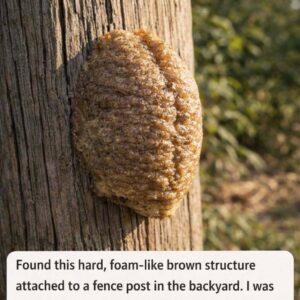
At first glance, the object in the photo looks unsettling—almost like dried skin, a strange nest, or something that once belonged to a much larger animal. But its folded outer material, silky-looking interior, and bits of plant debris are much more consistent with an old insect cocoon or pupal casing, most likely from a moth. Caterpillars often build protective shelters using silk mixed with whatever material is available around them, including hairs, dried leaves, fibers, dust, and tiny pieces of vegetation.
During metamorphosis, the caterpillar remains protected inside while it changes into an adult moth. Once the moth emerges, the abandoned structure can collapse, tear open, and dry out. That can leave behind something that looks completely different from the neat cocoons people usually imagine. If it has been sitting underneath furniture for months—or even years—it may also collect hair, dirt, and other debris, making its appearance even stranger.
Finding one under a wardrobe doesn’t necessarily mean there is a serious infestation. A single moth larva may simply have crawled into a dark, undisturbed location to pupate. However, it’s worth checking nearby clothing, carpeting, and stored fabrics. Some moth larvae feed on natural materials such as wool, fur, feathers, and silk. Look for additional cases, webbing, shed skins, or unexplained holes in clothing. Vacuuming underneath furniture and along baseboards can remove larvae and the debris they use for shelter.
From a photograph alone, identifying the exact insect species isn’t possible, so it’s best not to treat the identification as certain. But this appears far more likely to be an abandoned insect cocoon or casing than anything dangerous. Remove it with a tissue or gloves, vacuum the area thoroughly, and inspect nearby fabrics. Sometimes the creepiest discoveries hiding under furniture are simply the leftovers from a tiny insect completing its life cycle.