The insect in the photo is a spotted lanternfly, an invasive pest that can gather in large groups on trees, vines, fences, and other outdoor surfaces. Adults are roughly an inch long and have grayish-brown wings covered with black spots; when they open their wings, bright red hind wings can become visible. They may look harmless, but spotted lanternflies feed by piercing plants and sucking sap, which can weaken trees and other vegetation when large numbers gather in one place.
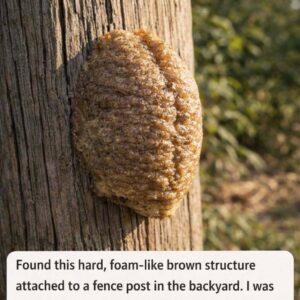
One reason homeowners are told not to ignore them is how quickly they can spread. Adult females lay egg masses containing roughly 30 to 50 eggs, often on tree bark but also on surprisingly ordinary objects such as patio furniture, vehicles, grills, stones, and outdoor equipment. Fresh egg masses can resemble gray putty, while older ones may look like patches of dried or cracked mud. Because these eggs can travel unnoticed on objects, people can accidentally transport the insect to new areas.
Large infestations can also leave trees and patios covered in a sticky substance called honeydew, which the insects excrete while feeding. That sugary residue attracts ants, bees, and wasps and can encourage the growth of dark sooty mold on nearby surfaces and plants. Spotted lanternflies particularly favor tree-of-heaven, but they can feed on many different plants, including grapevines and certain fruit and ornamental trees.
If spotted lanternflies suddenly appear in your yard, inspect nearby trees and outdoor objects for additional insects and egg masses. USDA guidance recommends destroying discovered insects and scraping egg masses from surfaces; sightings outside established infestation areas should also be reported to the appropriate local agricultural or plant-health authority.
So this unusual spotted bug isn’t simply another backyard visitor. Finding one can be a warning that more may be nearby—and catching the problem early can help prevent them from spreading.