Seeing lifeguards suddenly raise a purple flag can be unsettling, especially when they start warning families to stay away from the water. On many U.S. beaches, a purple flag means dangerous marine life has been spotted or is believed to be present nearby. That can include jellyfish, stingrays, sea snakes, or other animals that could injure swimmers. It does not automatically mean a shark has been seen, although local warning systems can vary.
The exact reason depends on the beach and what lifeguards have observed. A large number of jellyfish drifting into shallow water is one common reason for a purple flag. Stingrays gathering close to shore can also trigger warnings in some areas. If lifeguards are acting urgently and telling everyone to leave the water completely, they may have received a specific report or spotted something that makes swimming temporarily unsafe.
Purple is different from the flags used for surf conditions. A yellow flag generally warns swimmers to use caution because of moderate hazards, while a red flag can indicate dangerous surf or strong currents. Two red flags often mean the water is closed to the public. Purple is specifically associated with hazardous marine life in many beach-warning systems, although individual beaches may have their own procedures and additional warning signs.
The safest response is simple: follow whatever the lifeguards are telling you, even if the water looks calm. Marine hazards are not always visible from the shore, and conditions can change quickly. If you are unsure why the flag was raised, ask a lifeguard before going back into the water. A purple flag is not necessarily a reason to panic, but it is definitely a reason to pay attention. Lifeguards raise it so swimmers know that something living in the water may pose a temporary risk.
Adding mayonnaise to brownie mix sounds completely wrong at first, but there is actually a simple reason it can work. Mayonnaise is mostly made from oil and…
If a bag of grapes is clearly labeled “pre-washed” or “ready-to-eat,” food-safety guidance says they generally do not need to be washed again before eating. The FDA…
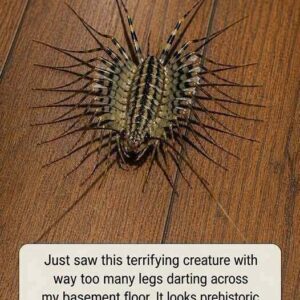
The strange creature in the photo is a house centipede, and despite its alarming appearance, it is generally far less dangerous than it looks. House centipedes have…
Heavy cream and whipping cream are much more similar than many people realize. The main difference is simply the amount of milk fat they contain. In the…
A bucket full of eggshells may look like kitchen waste, but many gardeners save them for one simple reason: they contain a large amount of calcium carbonate….